Project Search Open House with national speaker in Kenai

Kenai Peninsula Borough School DistrictKPBSD logo 4c today
Contact: Pegge Erkeneff, 907.714.8888
News Release
Project SEARCH open house is September 24, 2015
What takes place when a school district and hospital collaborate to create a business-led, one-year, school-to-work program for students with disabilities? Join KPBSD and Central Peninsula Hospital for the annual Project SEARCH High School Transition Program open house and find out about a life-changing opportunity happening in our community.

Thursday, September 24, 2015
5:00 – 7:00 p.m.
Challenger Center,
Kenai, Alaska

Families, educators, partner organizations, and community members are invited to:

  • Meet student interns who will showcase learning from their respective internship rotations
  • Talk with the teacher and job coach
  • Meet the hospital job mentors
  • Be inspired by national speaker, Erin Riehle, the Project Search National Director, who will speak about the ways in which you can assist our students with special needs in employability training and community involvement.

Sean Dusek, KPBSD superintendent said, “One of our on-going challenges is to ensure that our students with disabilities make a smooth transition to life after high school. Project SEARCH is thus, a wonderful way to help us meet this challenge.”
The Project SEARCH High School Transition Program is a total workplace immersion, facilitating a seamless combination of classroom instruction, career exploration, and relevant job-skills training through strategically designed internships. Through a series of three targeted internships the students acquire competitive, marketable, and transferable skills. Students also build communication, teamwork and problem-solving skills which is important to their overall development as a young worker. The goal: independent adults prepared for competitive employment opportunities.
Kenai Peninsula Project SEARCH is made possible through the collaborative efforts of Project SEARCH Cincinnati Children’s Hospital, Central Peninsula Hospital, Kenai Peninsula Borough School District, the Governor’s Council on Disabilities and Special Education, Division of Vocational Rehabilitation, and Frontier Community Services.
Links
Project SEARCH
2014 Golden Apple Award: Central Peninsula Project SEARCH program
2013 KPBSD Project SEARCH story
2012 KPBSD Project SEARCH story
###
First time: Maritime Awareness Day

2015 Seward High Maritime Academy
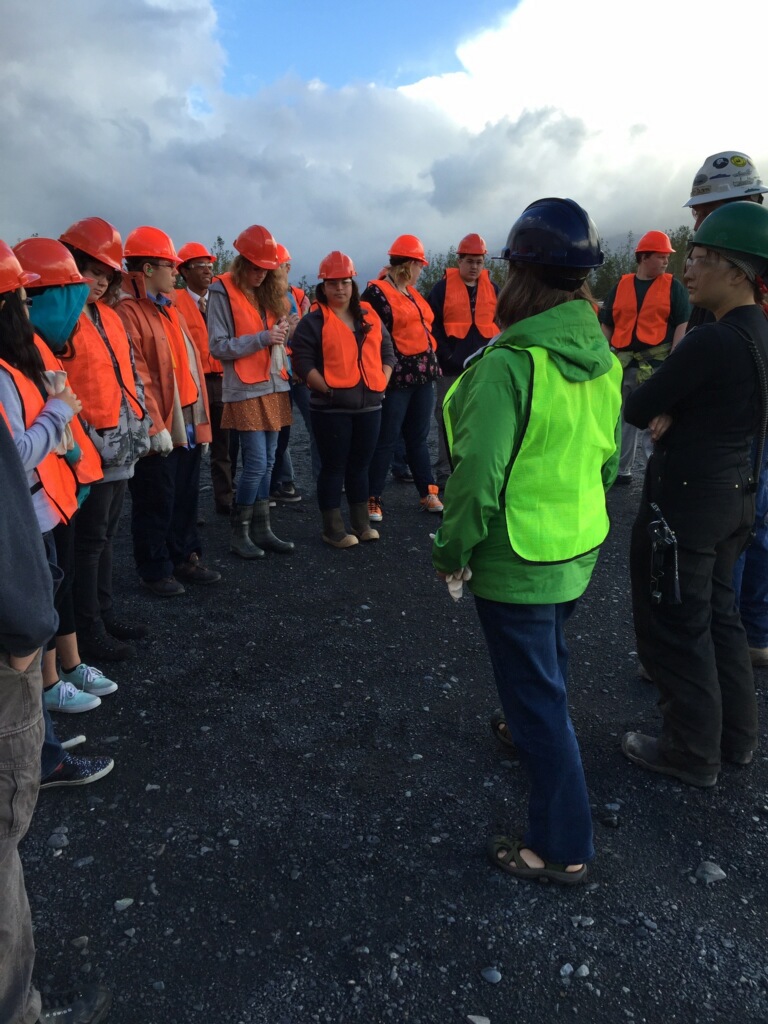
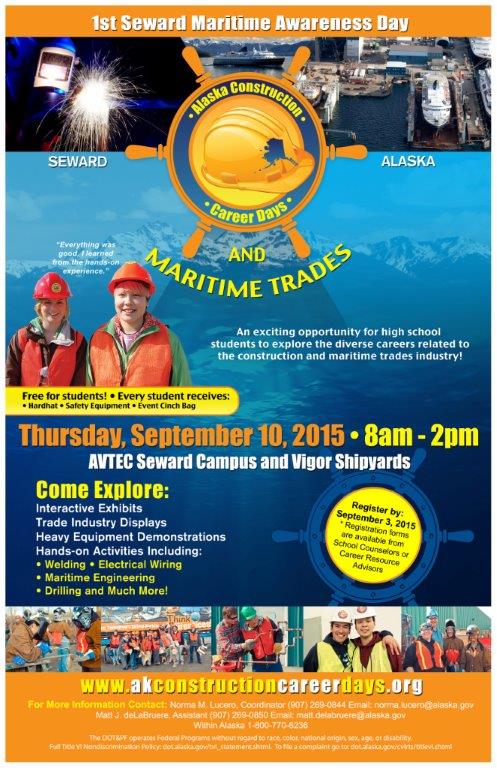
Thunder, lightening, and rain didn’t stop Seward High Students from painting, welding and working on heavy equipment at the Vigor Shipyard, September 10, 2015.
The interactive tour started at AVTEC when students from Seward High, AVTEC’s Welding, Diesel Mechanics and Constructions classes met with employers, department officials from DOT, and the Deputy Commissioner of the Department of Labor, Joe Thomas. Students travelled to the shipyard where Vigor employees had a welding lab, machine shop demonstration, and fabrication shop stations, then they learned the art and science of the boat painting industry followed by the heavy equipment and Dry Dock facility. Students loved the hands on, action packed day, and returned with inspiration, new learning, and ideas!
ACCD_Maritime_Poster_2015_Revised_high_res

9/9 at 9:09 | International FASD Awareness Day

September 9, 2015, is International Fetal Alcohol Spectrum Disorders (FASD) Awareness Day

Do you know that the Kenai Peninsula Borough School District is a leader compared with schools throughout North America in facing Fetal Alcohol Spectrum Disorders (FASD)? We are working to increase our capacity to successfully deal with the many challenges faced by students with FASD. This fall we are taking another giant step forward by also taking a lead in awareness and prevention of FASD.
FASD awareness day started on 9/9/99 to remind everyone that a woman can remain alcohol fee for all nine months of pregnancy.
Nine Months
Proclamations are issued in countries, states, provinces, and towns all around the world. Bells are rung at 9:09 a.m. in every time zone from Alaska to New Zealand. People all around the world gather for events to raise awareness about the dangers of drinking during pregnancy and the plight of individuals and families who struggle with Fetal Alcohol Spectrum Disorders (FASD).
To our students, and all future parents: the decision whether or not to drink alcohol during pregnancy is a decision that will affect the rest of your lives and those of your children yet to be born. There is so much false information about drinking during pregnancy. Truthful scientific facts include:

• No amount of alcohol is safe to drink anytime during pregnancy.

• Alcohol is poison to a developing baby and permanently damages whatever part of the baby that is developing when a pregnant woman drinks.

• Alcohol is a solvent, like paint remover, to a developing fetus. One single glass of wine dissolves 10,000 cells in the developing baby’s brain.

• The damage done to a developing fetus by alcohol cannot be undone. It is permanent.

• Alcohol is more damaging to a developing baby than even heroin or cocaine.

• The single biggest factor influencing whether or not a pregnant woman drinks alcohol is having a husband or partner who will stay sober with her for the entire pregnancy.

• If a woman finds that she is pregnant and has been drinking some alcohol, her baby will be healthier if she stops drinking.

• If you are pregnant, don’t drink. If you drink, don’t get pregnant.

At 9:09 AM, on 9/9, is when FASD is recognized throughout the world. “Everyone has a part they can play in preventing FASD, and to remember the importance at the school level of understanding the impact of this invisible disability,” said Clayton Holland, director of KPBSD pupil services. “The CDC estimates that 2% to 5% of the total population is impacted by FASD. If we apply that percentage to the KPBDS we would have close to 400 students who are impacted, with many of them not being identified with FASD, but likely having significant struggles in the classroom and at home.
Last year the district formed an FASD “Think Tank” to help guide the district’s next steps in addressing the many challenges that come with FASD. The FASD Think Tank determined a need to focus on continuous on-going training and resources for teachers, school and community outreach to prevent future FASD, and the development of resources for students impacted by FASD to understand how their disability impacts them and what resources they have available to them. We have also offered college credit training opportunities as well as presented for school staff at regular staff meetings and in-service days. Finally, In order to help our families and communities better understand FASD, we have established parent support groups in the communities of Seward, Homer, and in the Central Peninsula.
Collectively, our work with FASD has helped to contribute to more positive outcomes for all students and helped to contribute to a significant decrease in suspension and discipline referrals at the school level. I encourage all KPBSD staff members to learn more about FASD by going to The National Organization on Fetal Alcohol Syndrome website. This is an excellent resource for all staff working with students experiencing FASD.”
www.nofas.org

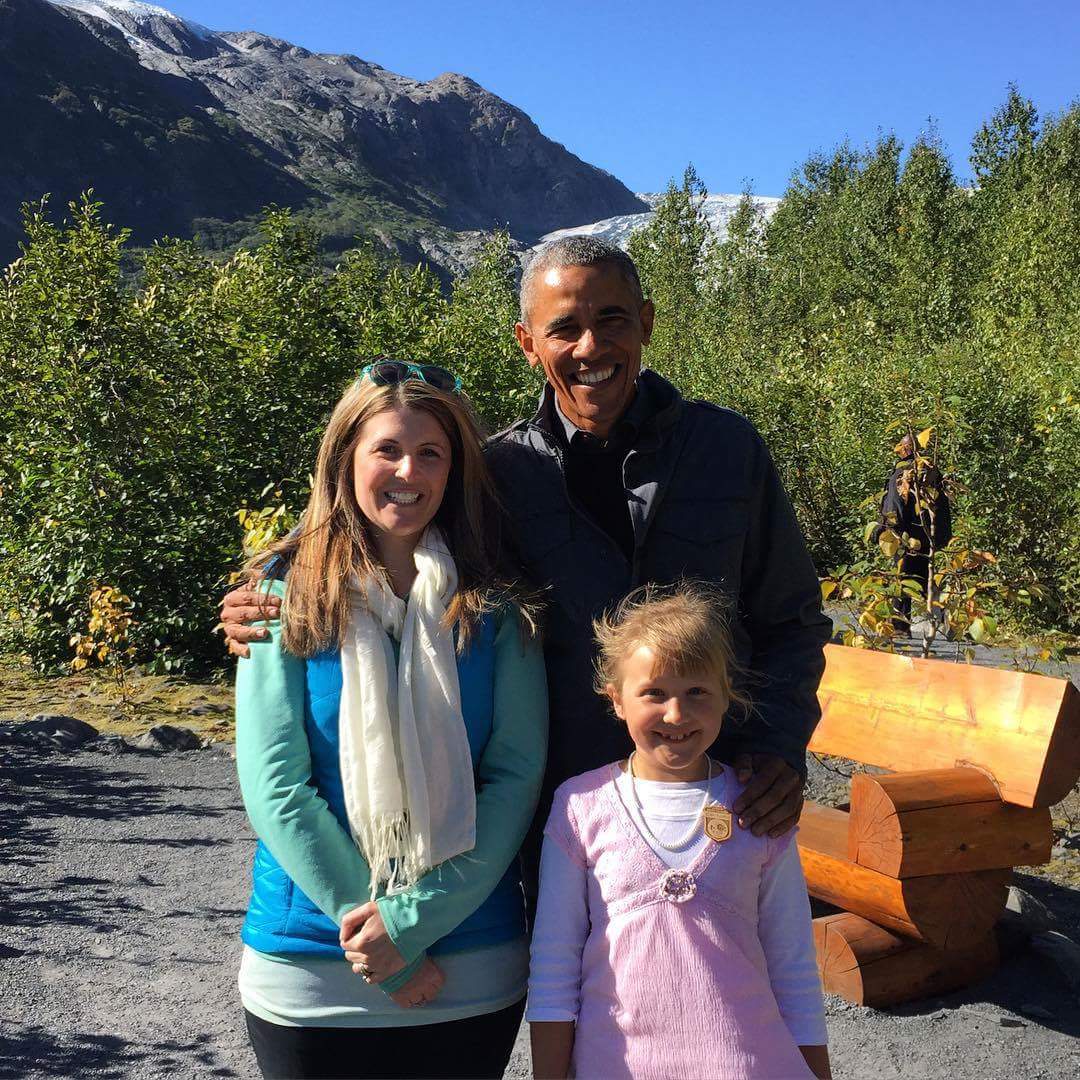
Seward Elementary teacher and student meet the President of the United States

FB_IMG_1441160732936
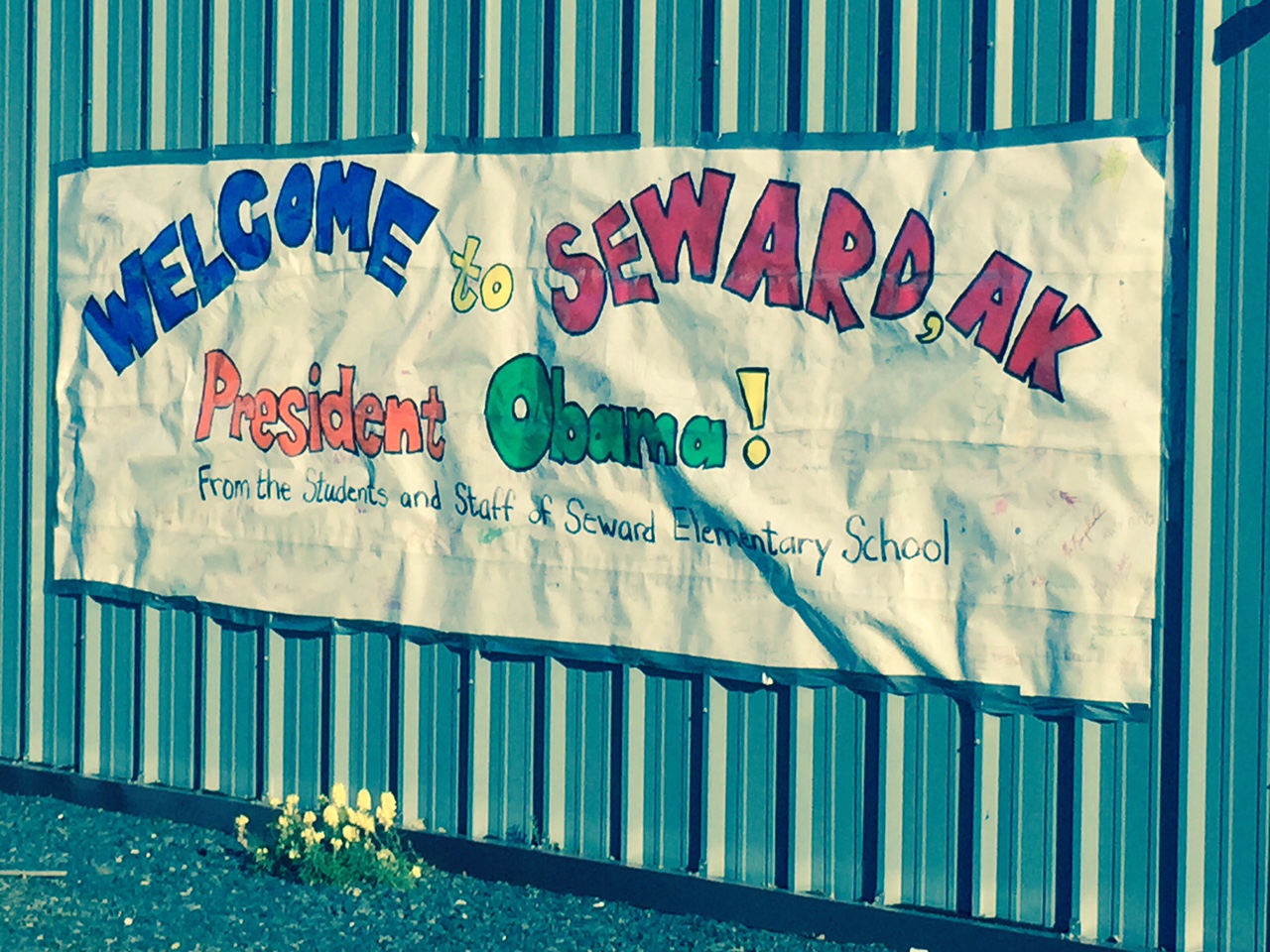
Jenna Fabian, Seward Elementary 4th and 5th grade teacher reflects after personally meeting with President Obama when he visited Seward, Alaska, in September 2015:
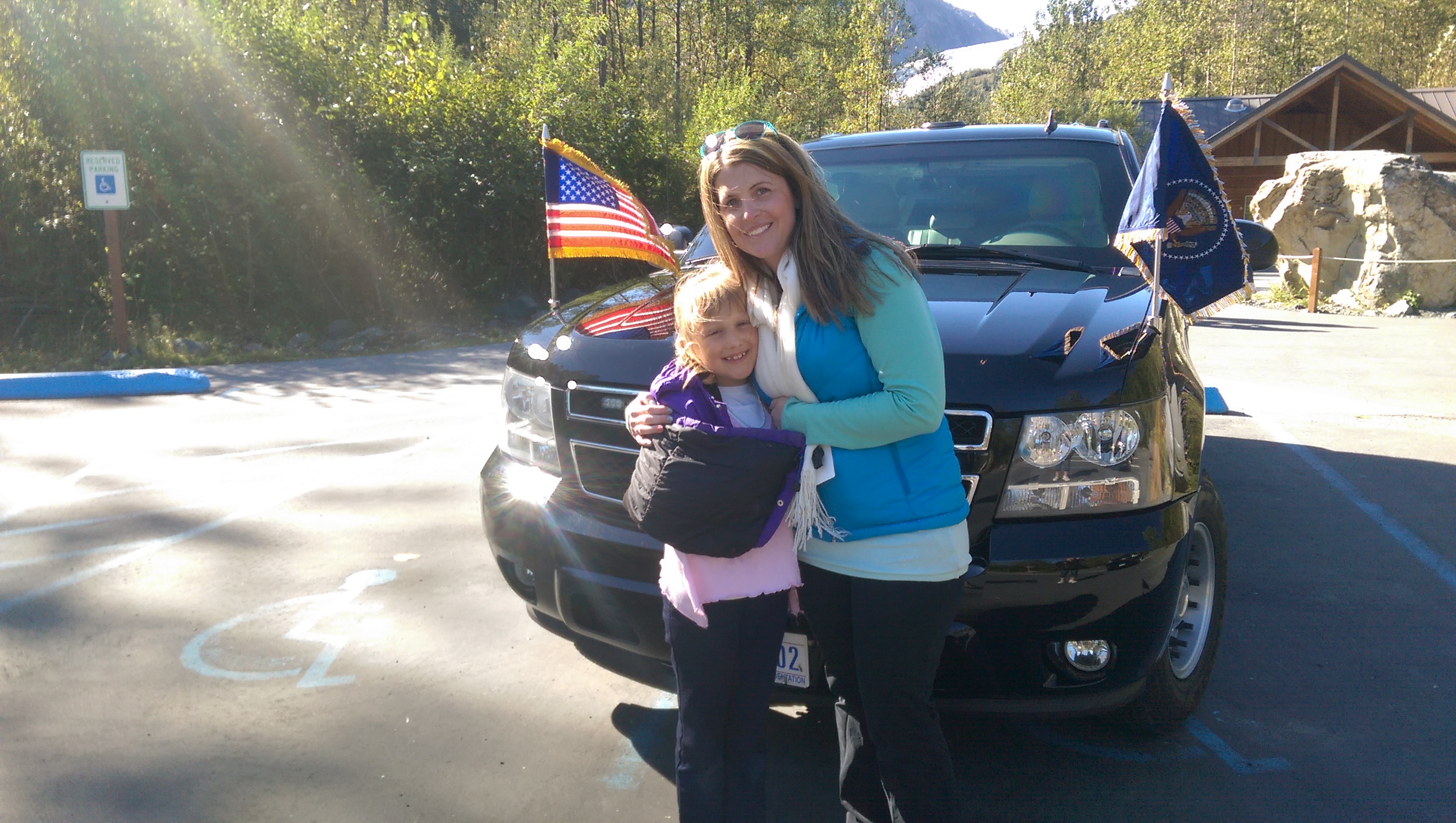
Today’s experience was clearly one that I will never forget! My student, Samantha, and I had a great conversation on the way out to Exit Glacier after going through three different security checkpoints. We decided that we were going to be “sponges” and take every little bit in! We ended up meeting up with him twice. The second time included a conversation with him regarding how important National Parks are, and the amazing career of a teacher.
What moved me the most is the absolute poise that our President exemplified. He was beyond personable with his warm smile and continuous eye contact. This experience made me think of the amazing colleagues that I am in the company of each and every day, our amazing school district, and all of the incredible educators that are there for our Nation’s children each and every day. With all of these fantastic people at the forefront of my mind, it was an absolute honor to represent Seward area schools and the initiative of “Every Kid in a Park.”
The President asked Samantha what grade she was in upon first meeting him. Then, as he walked to meet others,  we were escorted down a trail by a White House correspondent to the 1926 marker near the outwash plain so that we could wait to see the President again. There at the outwash plain, we met him again with all of his press. He stopped and talked with us more, and referenced how fortunate our school is to have so many opportunities to see Exit Glacier and the great outdoors. He continued in and discuss the Every Kid, Every Park initiative and how important it is for kids to see the outdoors. We heard about his fond memories of visiting Yellowstone as a child, which seemed to be such a great memory for him as evidenced by the warm look on his face when speaking about the National Park.
I appreciated that he thanked me for my dedication to kids, and noted that teaching is one of the most important careers.
On the ride back, Samantha said there were two things that struck her the most: she was speechless after the President gave her a hug! Before the President continued his hike, he gave her a box of Presidential M&M’s. She was quite excited and reassured me that she would never eat them!
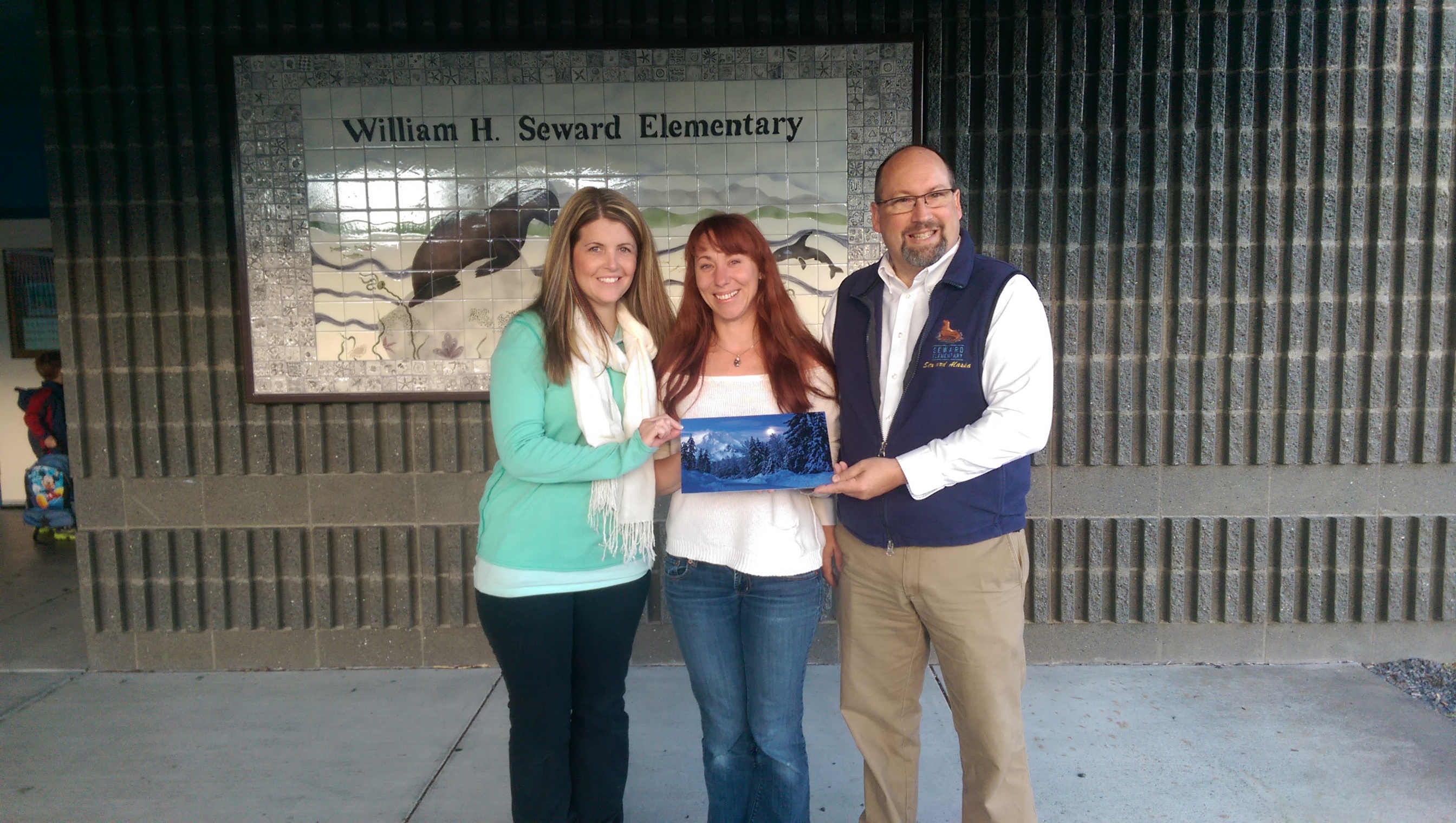
A local photographer, Kalani Woodlock, donated a picture of Seward in the winter time. This picture was printed on metal and given to the President on behalf of Seward Schools. I wasn’t able to give it to him personally but his assistant took it, and assured me that he would get the gift.
IMAG1344
FullSizeRender
IMAG1355

Exploring Careers at ANSEP Science, Technology, Engineering, Mathematics (STEM) Summer Academy

Alaska Native Science and Engineering Program (ANSEP)
Partnering with the University of Alaska ANSEP program for the first time this year, we recruited qualified students from 27 of our schools to attend the ANSEP Middle School Academy. Of the 1,014 identified native students in the district, 245 attend middle school (6-8 grade), with 143 of the students meeting the requirement of being on track for success in grade 8 algebra.
KPBSD sent 48 students and eight chaperones to the 10 day Middle School Academy. Students experienced high quality, upper level science, technology, engineering and mathematics (STEM) problem-solving activities taught by college staff while on the University of Alaska campus. KPBSD is committed to continue this recruitment effort in 2015-2016. Successful academy completers are not allowed to participate in future academies that occur during the school year but are invited to apply for ANSEP’s follow-up summer academy.
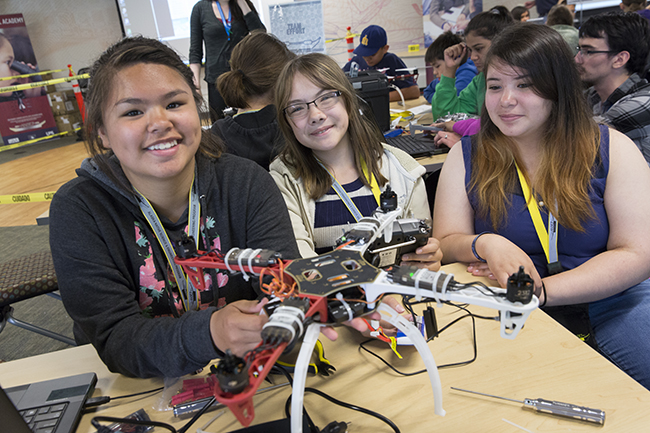
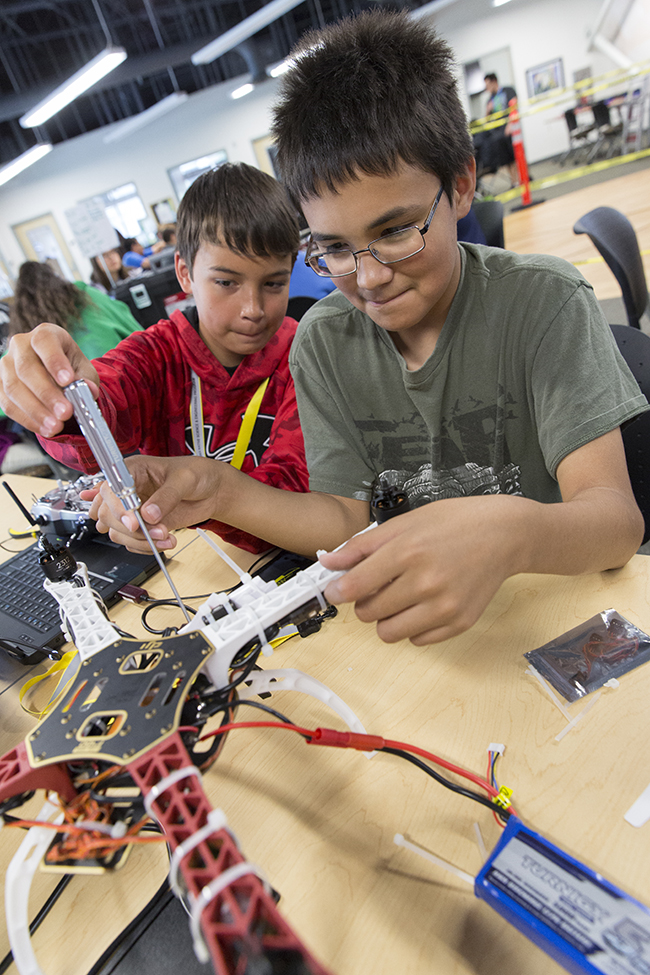
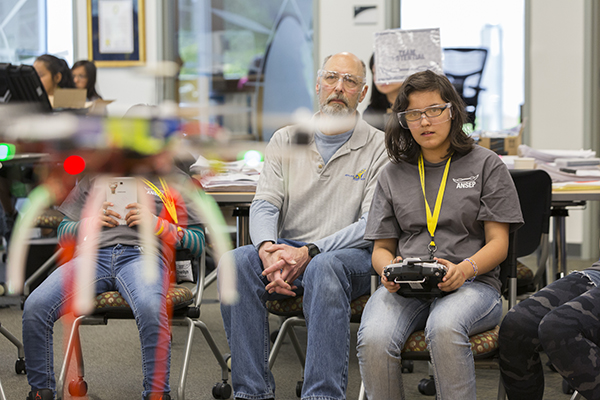
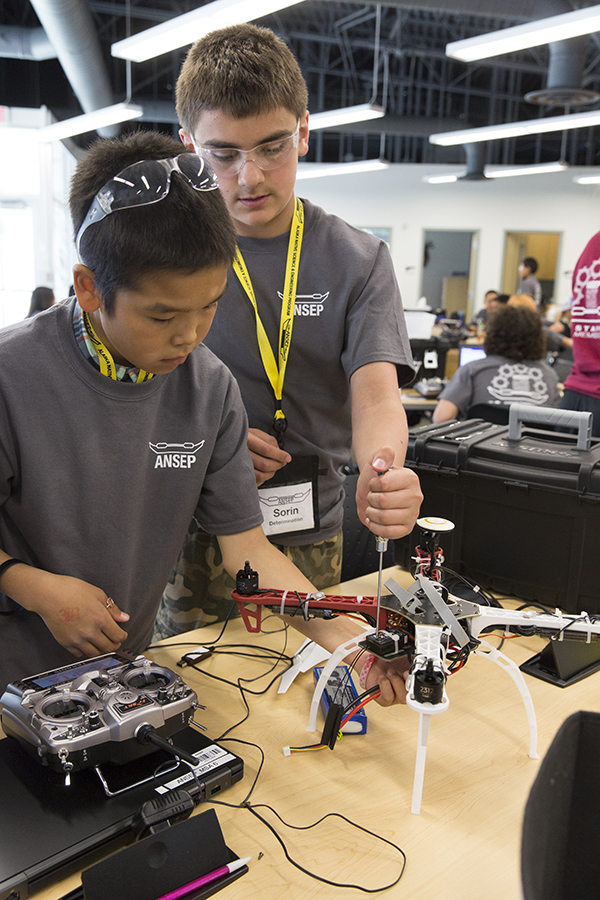
Twenty-two of the 48 students followed the complicated application process and were accepted to the 2015 summer academy for continued guidance and learning. These photos were taken during the summer ANSEP Science, Technology, Engineering, Mathematics (STEM) Career Explorations.
 

ANSEP STEM Career Explorations students (L-R) Jovena Bartels-Salas, Anika McDonough, and Leisha Lozana, June 2015

 
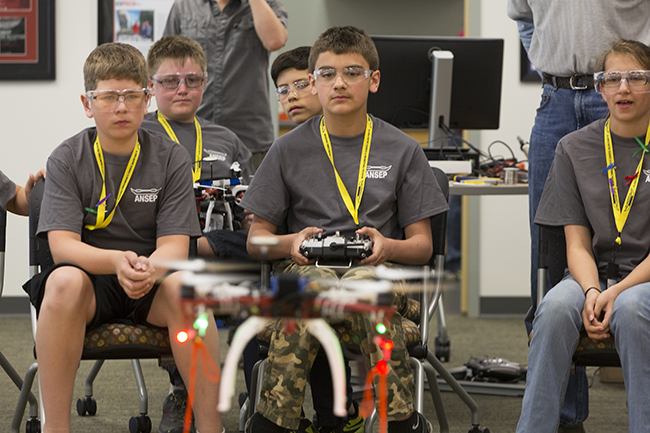
James Lamping (L) and Jakob Andreanoff (R) assemble their Unmanned Aerial Vehicle during ANSEP’s STEM Career Explorations June 2015

Daylynn Yenney, ANSEP STEM Career Explorations student, pilots the UAV her team built while university professor looks on, June 2015

Marcus Hale (L) and Sorin Sorensen (R), put finishing touches on their Unmanned Aerial Vehicle at ANSEP’s STEM Career Explorations in June 2015

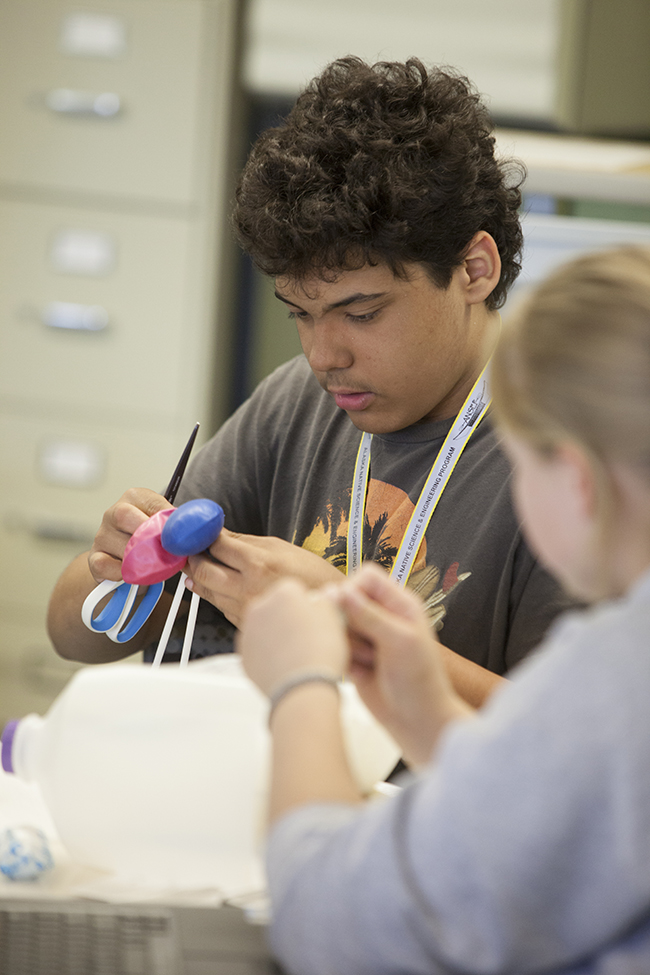
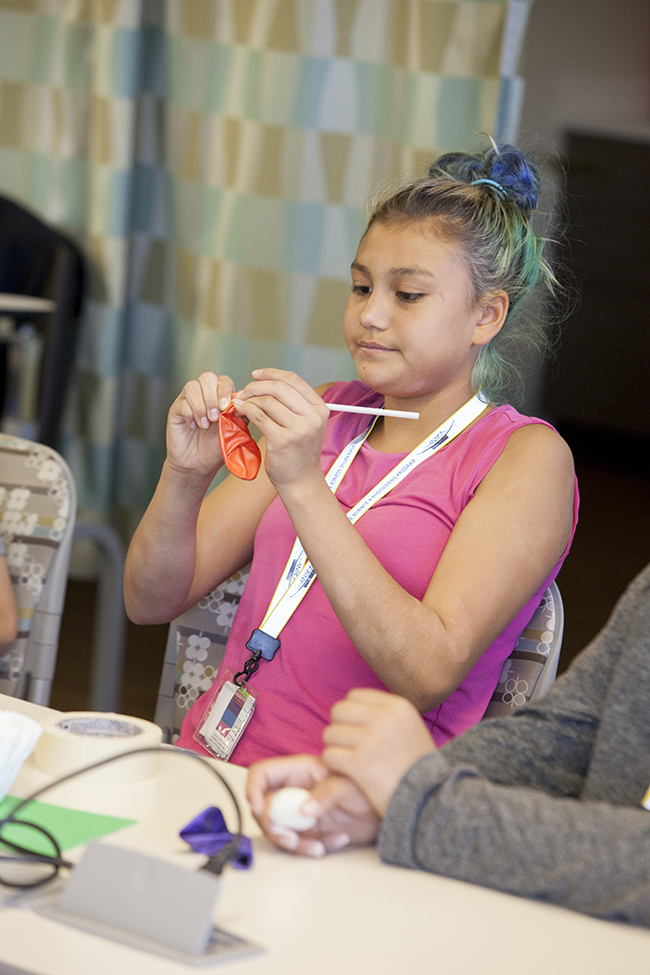
Garrett Cooper assembles model lungs at ANSEP’s STEM Career Explorations in July 2015

Aphanasia Kvasnikoff creates model lungs during ANSEP’s STEM Career Explorations in July 2015

Sorin Sorensen pilots his team’s UAV while teammates look on during ANSEP’s STEM Career Explorations in June 2015


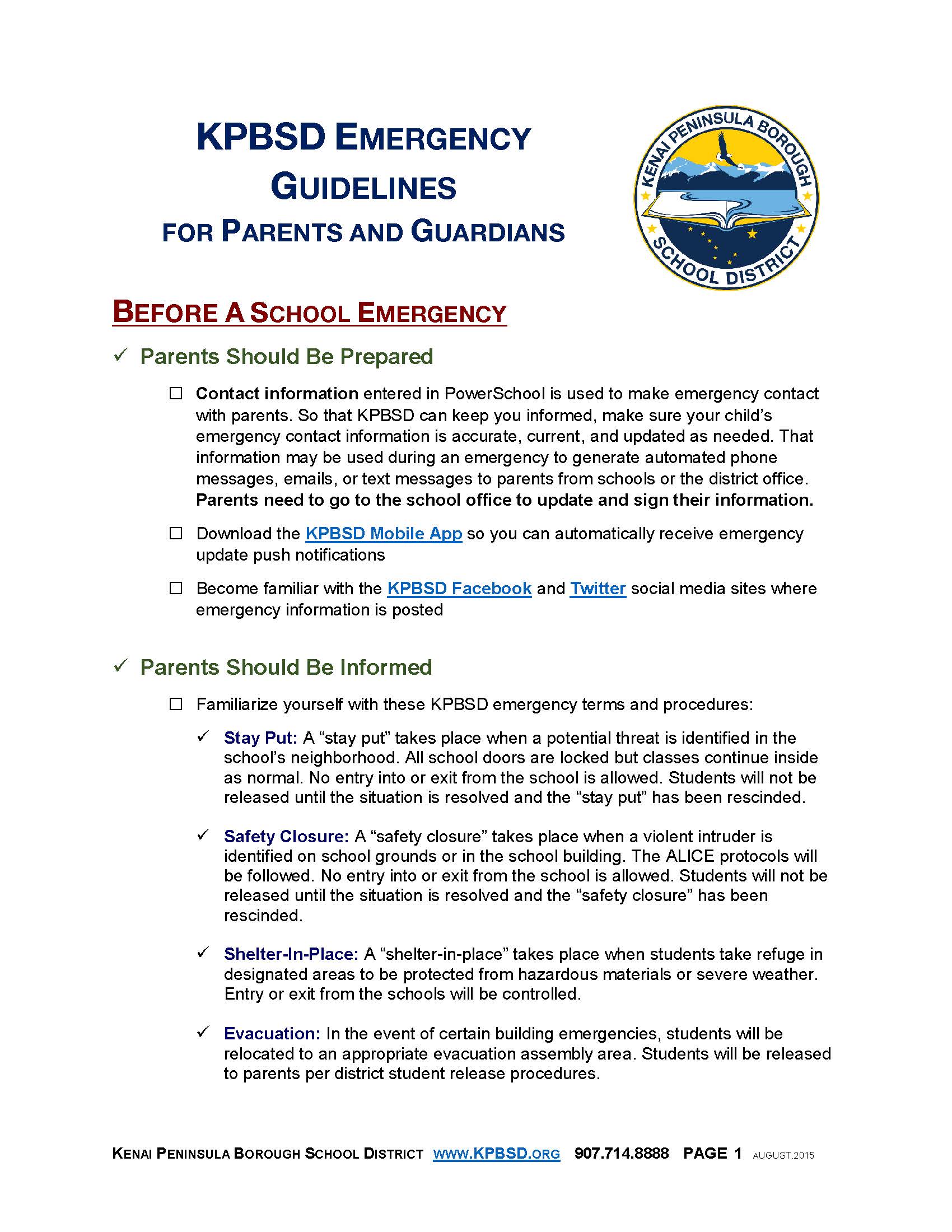
KPBSD Emergency Guidelines for Parents and Guardians

Before A School EmergencyPrint

Parents Should Be Prepared
Contact information entered in PowerSchool is used to make emergency contact with parents. So that KPBSD can keep you informed, make sure your child’s emergency contact information is accurate, current, and updated as needed. That information may be used during an emergency to generate automated phone messages, emails, or text messages to parents from schools or the district office. Parents need to go to the school office to update and sign their information.

  • Download the KPBSD Mobile App so you can automatically receive emergency update push notifications
  • Become familiar with the KPBSD Facebook and Twitter social media sites where emergency information is posted

Parents Should Be Informed
Familiarize yourself with these KPBSD emergency terms and procedures:

  • Stay Put: A “stay put” takes place when a potential threat is identified in the school’s neighborhood. All school doors are locked but classes continue inside as normal. No entry into or exit from the school is allowed. Students will not be released until the situation is resolved and the “stay put” has been rescinded.
  • Safety Closure: A “safety closure” takes place when a violent intruder is identified on school grounds or in the school building. The ALICE protocols will be followed. No entry into or exit from the school is allowed. Students will not be released until the situation is resolved and the “safety closure” has been rescinded.
  • Shelter-In-Place: A “shelter-in-place” takes place when students take refuge in designated areas to be protected from hazardous materials or severe weather. Entry or exit from the schools will be controlled.
  • Evacuation: In the event of certain building emergencies, students will be relocated to an appropriate evacuation assembly area. Students will be released to parents per district student release procedures.

During A School Emergency

Parents and Guardians

  • Should trust that during an emergency the school and district is first doing what is needed to protect students, and then communicating to parents as quickly as possible when we have full and accurate information.
  • Should trust that staff and students are prepared for emergency situations. Schools participate in emergency drills throughout the year, and staff and emergency responders know the best procedures for keeping students safe.
  • SHOULD NOT call or rush to your child’s school
  • Phone lines, staff, and local roads are needed for emergency response efforts.
  • SHOULD NOT phone or text your child
  • The sound or vibration from cell phones and phone conversations could put students in danger. Also, students need to be paying attention to the instructions from trained staff. Conflicting instructions from parents may put a child’s safety at risk.

After a School Emergency

How will I be reunited with my child?
Parents and guardians will be directed by school or public safety officials to their child’s specific location. This information will be distributed via the previously discussed emergency modes of communication. Students will be released ONLY to parents and guardians or other designated individuals who are documented as emergency contacts. All individuals will be required to present a valid picture ID such as a driver’s license, military ID, or passport. Please remember to bring your ID with you and inform your child’s emergency contacts that they will be required to show proper identification if they are picking up your child.
The reunification process can be time-consuming, so everyone is urged to be patient.
Recovery
Following an emergency, we encourage parents to:

  • Listen to and acknowledge your child’s concerns
  • Provide reassurance that your child is safe
  • Assure your child that additional prevention efforts are being put in place
  • Seek help from school personnel or a mental health professional if concerns persist

Should your child have serious concerns in response to an emergency or crisis, contact your school directly for information and guidance.
Questions?: Please contact your school principal or office.

Link: KPBSD dedicated webpage: School Delays or Closures
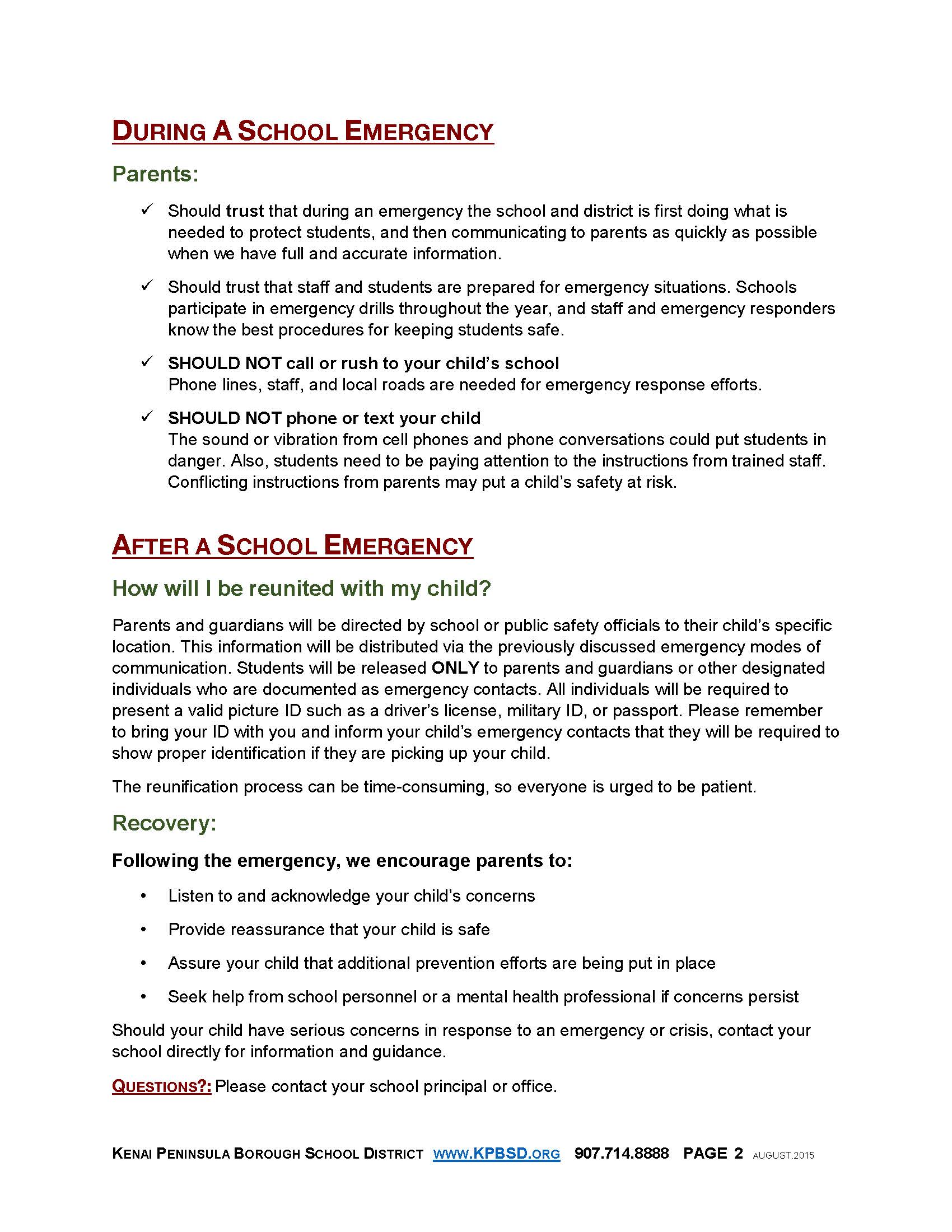
2015 KPBSD Emergency Guidelines for Parents and Guardians_Page_1 2015 KPBSD Emergency Guidelines for Parents and Guardians_Page_2

KPBSD School “Safety Closure” information

KPBSDPrint
School “Safety Closure” information

After extensive research and study of historical and recent school safety incidents, the U.S. Department of Education issued a new document with new guidelines for school safety entitled “Guide For Developing High-Quality School Emergency Operation Plans.” One of the major findings was that the lone option to lockdown was no longer enough. It was stressed that “as the situation develops, it is possible that students and staff will need to use more than one option.” In order to give our staff and students more options to protect themselves, KPBSD adopted the ALICE protocols to be used when the presence of a violent intruder necessitates a “Safety Closure.” ALICE is an acronym for:
ALERT         Use Plain and Specific Language. Avoid Code Words
Get the word out! Notify authorities and those in harm’s way of the danger at hand. The objective is a conveyance of plain, clear, concise and accurate information, not an issuance of a command. The goal is to empower as many individuals as possible with the ability to make an informed decision as to their best option to maximize their chances of survival!
LOCKDOWN   Barricade the Room. Silence Mobile Devices. Prepare to EVACUATE or COUNTER if Needed
Locking down and barricading entry points may still be the best option in some situations. The noise of cell phones and phone conversations could put students and staff in danger so all mobile devices should be silenced. ALICE training includes instruction on practical techniques to assist in better barricading the room. Pre-Planning and obtaining of materials can improve the ability to barricade. The time in Lockdown can be used to prepare for the use of different protocols (i.e. Counter or Evacuate) as the incident proceeds and situational information is supplied.
INFORM     Communicate the Intruder’s Location in Real Time
Inform is a continuation of Alert and uses any means available to pass on real-time information.
Communicate real-time updates throughout the incident to those involved. This can be accomplished through the use of video surveillance equipment, public address systems, or electronic updates. Updates during an incident allow those involved to make sound decisions about how to react and what steps, if any, to take next. Information should always be clear, direct and, as much as possible, should communicate the whereabouts of the intruder. Effective information can keep the intruder off balance, giving people in the school more time to further lockdown, or evacuate to safety.
COUNTER Create Noise, Movement, Distance and Distraction
This protocol is used only as a “last-resort” or “worst-case” option if those involved have not been able to find a secured area, or their secure area has been breached. Staff and students are trained in disruptive actions that create noise, movement, and distance to distract, confuse, and gain control through age appropriate tactics. ALICE does not endorse civilians fighting an active shooter, but when confronted directly in a life-and-death situation, individuals should use any actions necessary to defend themselves.
EVACUATE  When Safe To Do So, Remove Yourself From Danger Zone
The goal is to safely put as much time and distance between the threat and our staff and students as possible. The decision to evacuate can be made at any time during the incident based upon information that becomes available. Evacuating to a safe area takes people out of harm’s way and hopefully prevents civilians from having to come into any contact with an intruder. Evacuation is the number one goal! When Evacuation is one of multiple protocols that are safely available, Evacuation should be the first choice.
It is important to understand that these protocols are age appropriate, not sequential or chronological, and those involved have the ability to change protocols as an incident progresses.
KPBSD’s change to the use of A.L.I.C.E. protocols has been done in conjunction with our local law enforcement agencies. These agencies also participate in the training of staff and students.

2015 KPBSD School Safety Closure information

Mountain View Elementary parade time is overall win-win

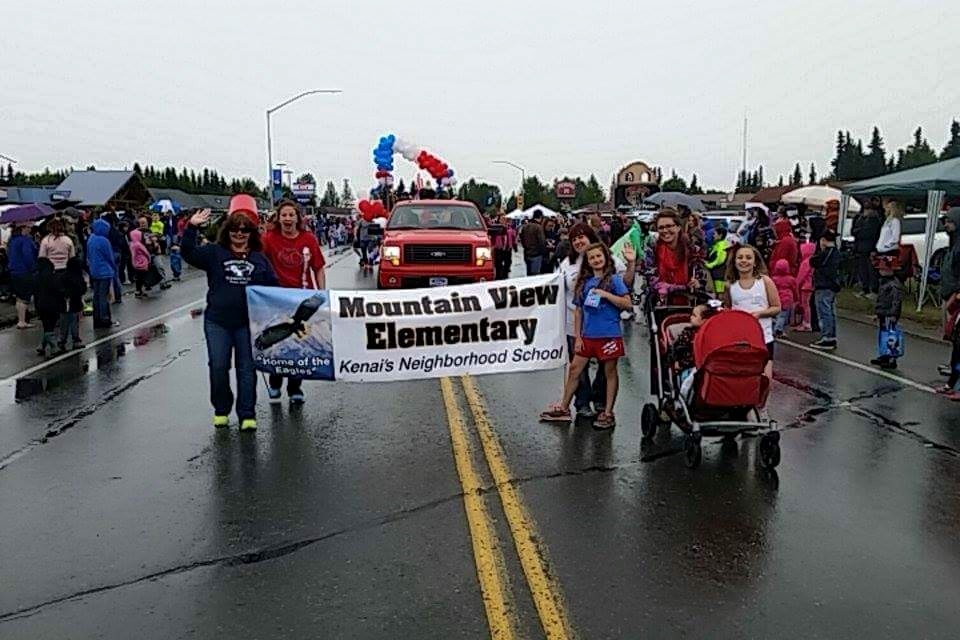
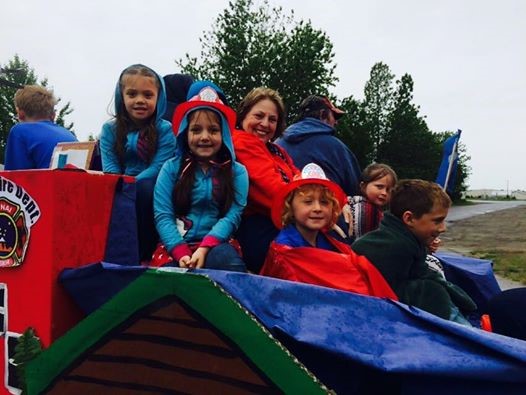
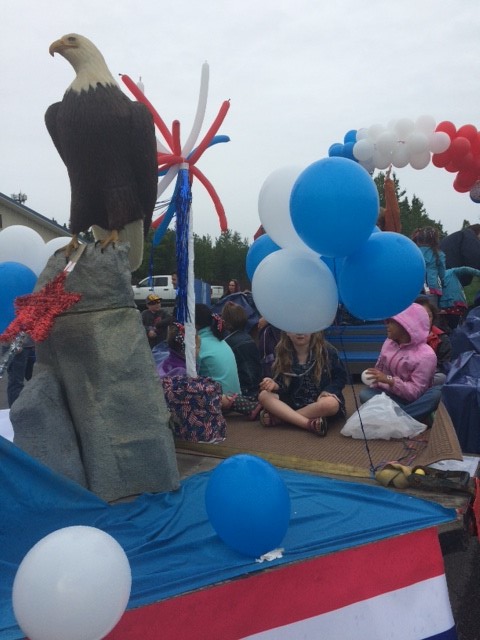
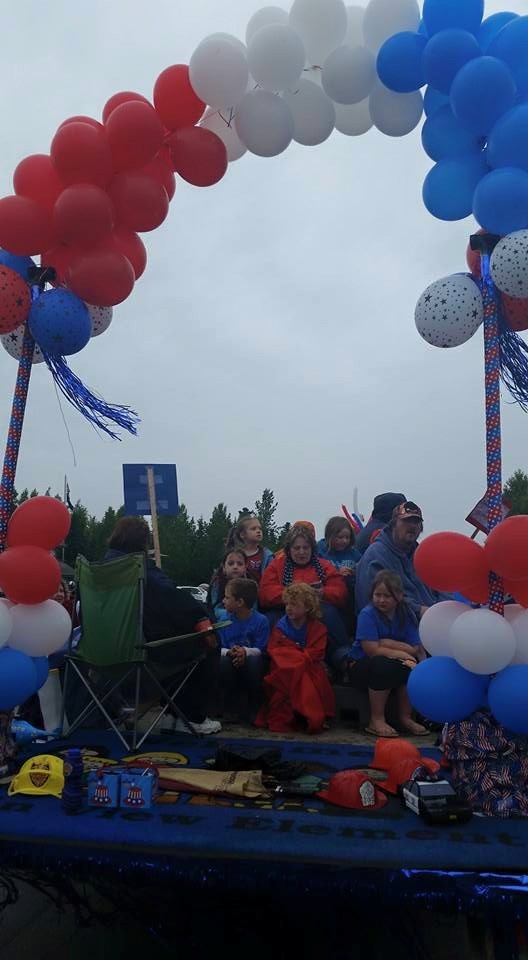
Shoutout to Mountain View Elementary students and staff for “Honoring Hometown Heroes” in the Kenai Fourth of July parade, and taking prize for the Overall Award winner!
4 july 1
Thank you to Snug Harbor Seafoods for donating the use of the 20-foot trailer, and Stanley Ford providing a new truck to pull the trailer.
4 july 3
4 july 4
4 July 2
Connect online:


1:1 iPads bring dynamic learning opportunity to Nanwalek School through White House ConnectEd initiative

Kenai Peninsula Borough School DistrictKPBSD 50 years logo Smallest  version
Contact: Pegge Erkeneff, 907.714.8888

News Release
iPads bring dynamic learning opportunity to Nanwalek

Soldotna, August 17, 2015—Palpable excitement is in the air today at Nanwalek School, where 80 kindergarten through twelfth grade students anticipate receiving their own Apple iPad on Tuesday August 18, 2015.
A year in the planning, the rollout celebration to begin the comprehensive 1:1 technology solution for every student and teacher, including Apple hardware, software, and services, begins at 1:00 p.m., Tuesday, August 18, 2015, with guests and dignitaries present to speak to students, staff, and the community. The upcoming year is a game-changer for Nanwalek School, the only school in Alaska, and one of 114 schools in the country, to receive an Apple grant as part of the White House ConnectEd initiative begun in 2013.
Nanwalek School is located in a small village on the southern tip of the Kenai Peninsula, across the bay from Homer, Alaska. By giving students access to the latest technology and powerful learning tools, we’re working to transform the classroom into a place of deeper exploration and creativity.
“We are very excited about this opportunity for our students in Nanwalek,” said Sean Dusek, superintendent. “A key part of any initiative is professional development for our teachers and through the training commitment from Apple, we are confident that the new technology will have a tremendous positive impact for all of our Nanwalek students.”
As a result of the initiative to receive iPads, Apple TVs, and MacBook laptops for teachers:

  1. Students and teachers will be introduced to a new level of technology that they have not previously experienced in the village or school. This experience will be enhanced by faster Internet installed by the district through ACS in September 2014
  2. Academic core learning will be strengthened through resources and e-books on the devices
  3. This grant includes professional development for teachers in differentiation to strengthen core instruction, and intervention processes to increase achievement

IMG_9979Nanwalek School honors cultural identity while developing students to be effective members of society. School goals for the ConnectEd initiative include:

  • Students, parents, and community will be our partners
  • Teaching will be transformed
  • Students will be active learners
  • Students will strengthen their academic learning
  • Students will have a tool for preservation of language and culture
  • Students will have more possibilities for postsecondary options

 Links

###
This and all KPBSD media releases are online at this web page: http://bit.ly/MediaPublicRelationships
Suggest or contribute a story online link: http://bit.ly/SuggestKPBSDstory
Please contact me with questions or connections to be made for your KPBSD district and school stories.